

Older blocks between the lakes
The middle of town is detached houses on flat lots, with lanes behind many of them. Roofs are mostly asphalt. Chimneys are brick. A porch or a later bathroom sticks out and has its own small roof. That is the piece to mention if the stain is in that room.
A lane full of garages means the house roof and the garage roof are two surfaces. If the drip is over the car and the bedrooms are dry, say garage. Do not let a house quote get written for a shed roof, or the other way around.
Trees on the boulevard shade one side. The shaded side grows a film of moss in a wet spring. The open side goes pale in the sun. Walk the lane and the front on the same day and you will see both.
Heat, then a cold week
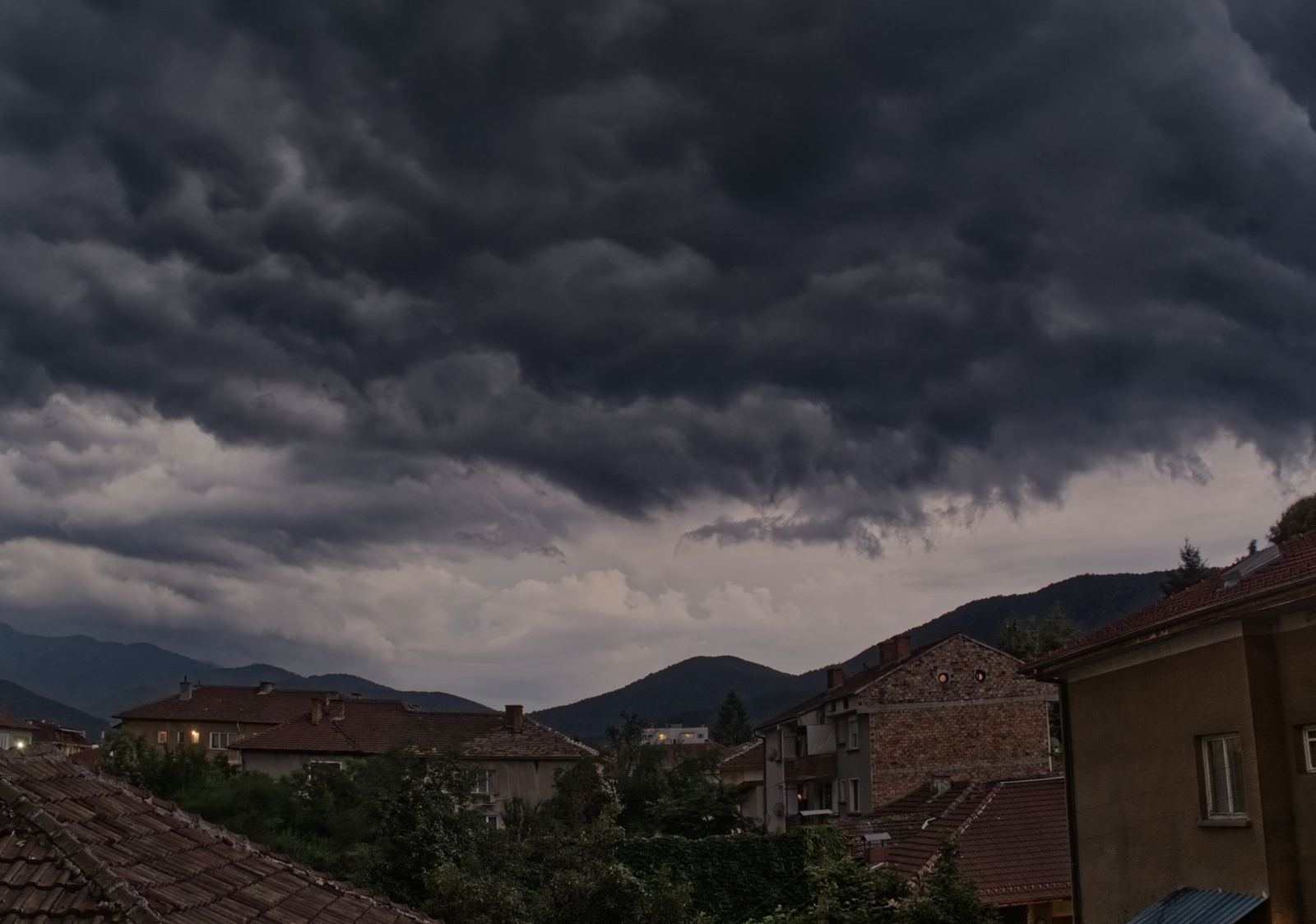
Heat is the slow damage. Granules wash into the gutter and the tabs curl. You can see it without leaving the sidewalk. Wind is milder here than on the benches, so missing tabs after a storm are less common than a cracked flashing that has been leaking quietly.
When a cold snap does arrive, ice can sit in the gutter and force water back under the shingles. The ceiling mark follows the outside wall. If you watched ice along the eave this winter, say so even if the stain showed up later.
Sprinklers in summer hit the lower courses on some of these lots. A daily spray rots the edge the way a storm does, only slower. If the wet wall is the one the sprinkler hits, mention the sprinkler.
Keep the description ordinary
You do not need the age of the house in years. Say whether the shingles are dark and even or pale and curled. Say if someone already smeared tar around the chimney. Tar means the leak was noticed before and the patch did not hold.
Inside, a brown circle, a streak by the fireplace, or a line at the porch wall are the three pictures that matter. A damp closet with no mark on the ceiling may be plumbing. Say if the ceiling itself is stained.
Access is usually simple: a lawn, a lane, or a narrow side yard. Say if a fence, a dog, or a locked gate is in the way. Say if the hatch to the attic is in a closet, if you know.
Start the call with Main Central and the street. Add the room and the look of the shingles. That puts the visit on the right block and the right slope.
This part of town
The channel between the lakes is the low, open part of these blocks. Houses nearer the channel take a little more wind. Houses nearer Main take more shade from the street trees and more wear on the south tabs from the sun. You can tell from the sidewalk which problem is yours.
Renovated kitchens under old roofs are common. New drywall in the kitchen with a stain already blooming means the opening was there before the paint. Say the kitchen is new and the roof is not. It stops a guess that the plumber caused a mark that is shaped like a chimney streak.
Alleys are the working side. Bins, a shed roof, and the neighbour's garage crowd the lane. If the wet eave faces the alley, say alley, and say if a bin must be moved. Front-yard leaks are simpler: lawn, gutter, porch.
Some of these houses have a flat-ish roof over a later bathroom, hidden behind the gable. You see it from the lane as a low rectangle. If the stain is in that bathroom and the gable looks fine, describe the low rectangle. It is a separate surface.