

The houses
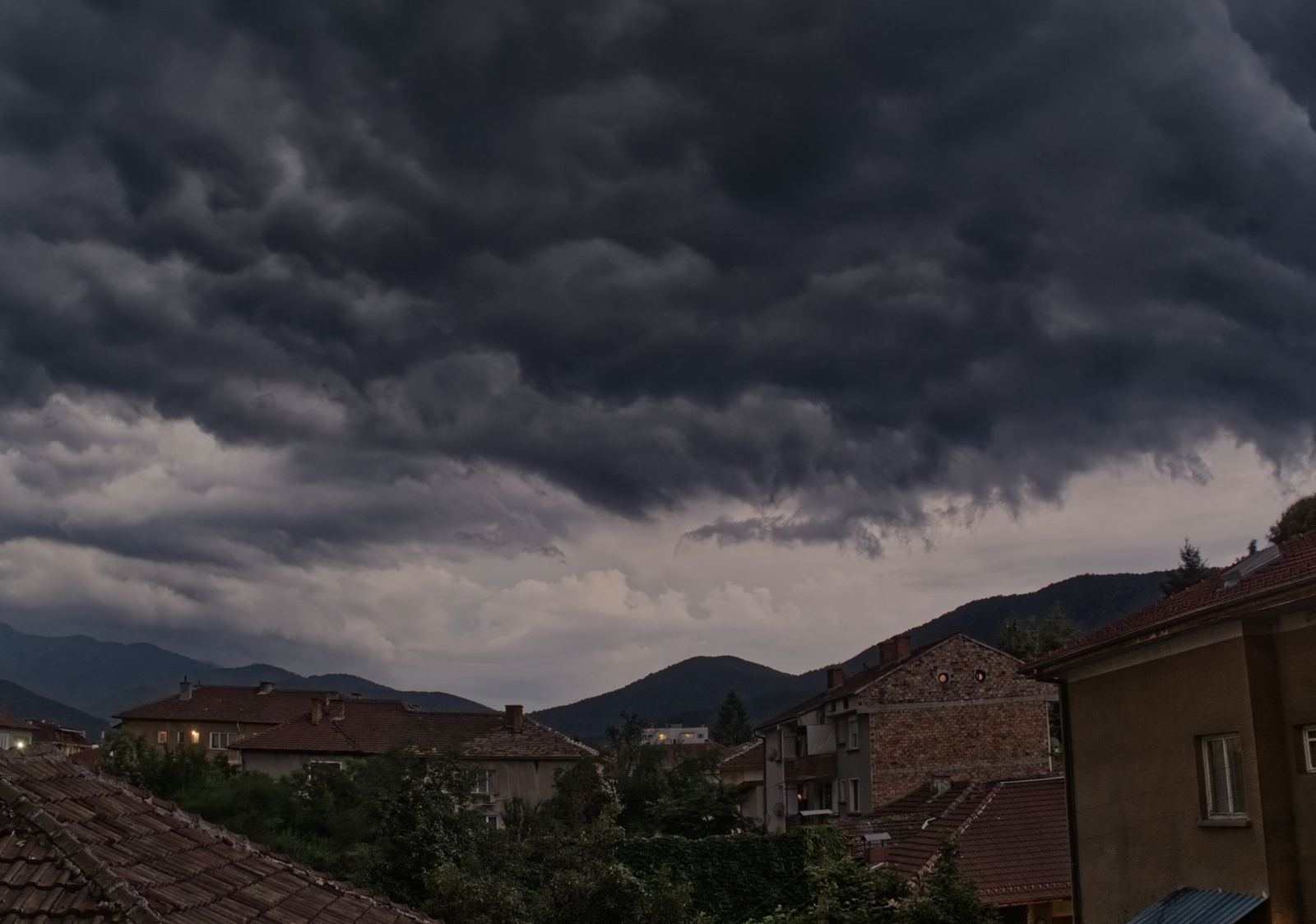
Most roofs here are asphalt shingles on detached houses. Some of the older places began as small cabins and grew a room at a time. Water often gets in at the joint where that extra room meets the original roof, even when the main slopes still look even. Newer houses on the later lots have a longer run from the ridge down to the gutter.
Metal shows up on some of the steeper places because snow leaves it. That is handy for the roof and awkward if a deck, a parked car, or a walk sits under the low edge. If the roof is already metal, mention it, and mention what is standing below.
Houses nearer the village have often been here longer than the ones higher up the newer streets. You do not need the year the place was built. Dark, even shingles usually mean the leak is one opening. Pale, gritty shingles mean that slope is tired.
Sun, snow, and the pines
Summer sun cooks the south face. Those shingles go brittle years before the slope that sits in shade. You can see the colour change from the road on a clear day. Winter is a few heavy snows, not a long coastal drizzle. If the attic is warm, ice can form along the eave and the stain inside follows the outside wall.
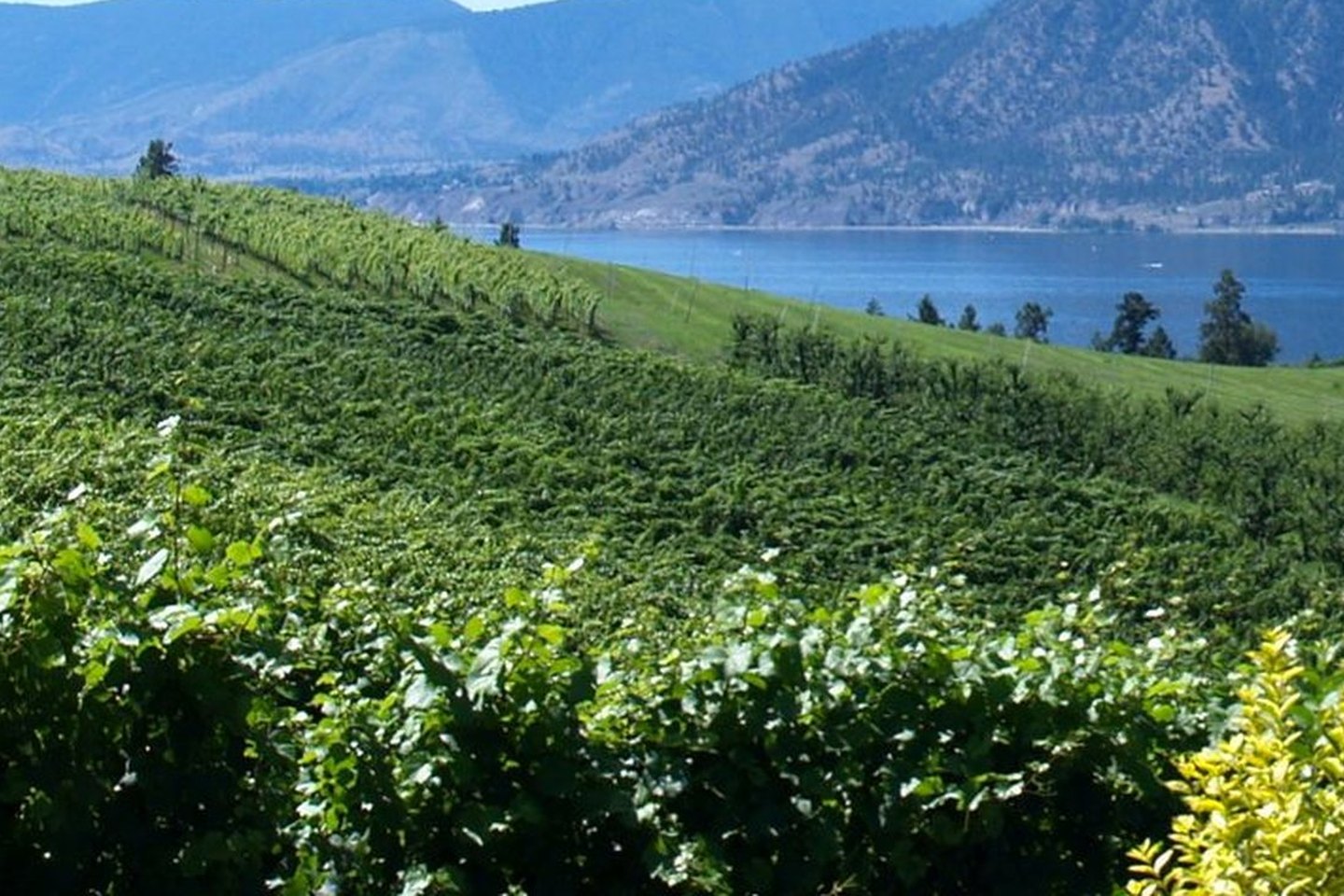
Wind comes up the lake and lifts the edges that face the water. A lot tucked into the pines has the other problem: needles and a green film in the gutter and the valley. If your place has a view side and a tree side, walk both on the same afternoon.
Vineyard rows and old orchard trees drop twigs into the same valleys. After a windy night, look in the yard for pieces of ridge cap. A few pieces, with the rest of the roof still dark, is usually a repair. A whole slope that is curled and pale is ready to come off.
A walk around the house
Look in the gutter from the lawn. Grit in the trough means the granules are leaving the shingles. Needles packed solid can send water down the wall even when the shingles themselves are sound. If you emptied the gutter and the ceiling is still wet, the water is coming through the roof.
A brown circle under a bathroom is usually the rubber boot around the vent pipe. A streak beside the fireplace is the metal that should sit tight to the brick. A line where a sunroom meets the wall is that joint, not the whole gable. Name the picture that matches the ceiling.
Stay on the ground. A photo of the stain and a photo of the eave are enough to start. If a sheet of snow would land on the driveway, say that before anyone talks about a new surface.
When you call, say how old the house feels, which room is wet, and whether that wall faces the lake or the pines. If the lane is steep or shared with the next lot, add that so the visit fits the yard you actually have.
This part of town
The road up from Penticton climbs past orchards before the houses thicken. A roof you can see from Naramata Road is not always the wet one. The slope over the back bedroom, toward the trees, is the one that stays damp. Walk to the back before you decide the lake face is the problem. If the stain is in a room that never sees the water, say back slope.
People park tight against the downhill wall because the lot is small. Granules and, in a cold week, snow land on the hood. Mention the parking spot. A metal roof will clear itself onto that car. Shingles drop grit more quietly and hold a crust of snow longer.
If the house is a weekend place, say whether anyone is there midweek. A slow leak in an empty house shows up as a ceiling bubble when you arrive Friday. The roofer still needs the same facts: which room, which direction, and whether the shingles on that side are pale.
If a vineyard crew is working the next row, dust settles in the valley for a week. Say if the neighbouring block is open soil. It explains grit that is not from your own shingles. A locked gate at the bottom of a shared drive should be mentioned before the morning of the visit, along with where a truck can turn without backing onto the road.