

Orchard benches and steeper streets
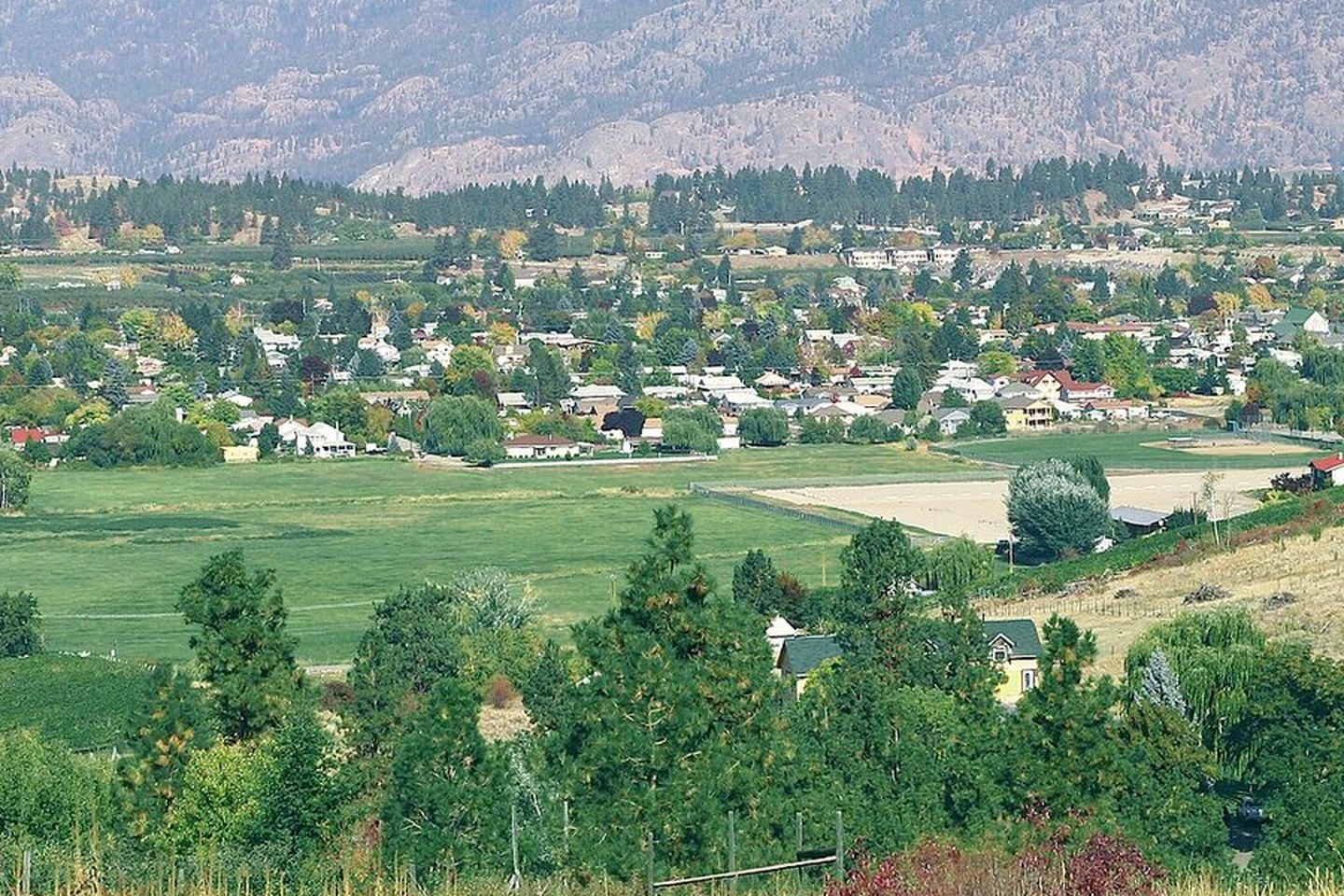
Summerland houses sit on ground that is rarely level. The roof follows the hill. A slope that points down the street dumps rain and snow toward the sidewalk or the drive. Look at what is under the eave before you choose a surface that lets snow go all at once.
Older orchard houses have asphalt, a chimney, and often a lean-to roof over a back entry. The lean-to is where water shows up first. Newer streets have bigger gables, sometimes a skylight aimed at the view. A skylight leaks at its uphill edge. If the stain is next to the light, say skylight.
Metal is a reasonable choice on a steep, sunny lot, and a poor surprise above a deck. If people sit under that eave in winter, say so. Shingles hold the snow longer and drop it in smaller pieces.
Sun on one face, shade on the other
The face toward the lake and the afternoon sun will look ten years older than the face toward the hill. That is normal. Replace or repair the tired face when it is curled and losing grit. Leave the dark face alone if it is only the other side that failed.
Fruit trees and pines both fill gutters. A gutter that overflows onto the siding stains the wall and the ceiling below it. Clear it and watch one rain. If the ceiling still marks, the water is above the trough, in the roof.
A cold week puts snow on these benches while downtown Penticton stays bare. Ice along the eave means the attic is warmer than the outside. The stain is a line at the top of the wall. Mention ice if you have seen it, even if it is gone by the time you call.
What to tell the roofer
Say Summerland first, so the stop is not treated as a house on the flat grid. Then the street. Then whether the wet wall faces the lake, the orchard, or the uphill neighbour.
Rough age is enough. A house from the older town, a 1970s split, or a recent build are different roofs. If you are not sure of the decade, describe the colour of the shingles and whether the edges are curled.
Photos from the yard help: the eave, the valley if you can see it, and the ceiling. Do not climb. If a limb lies on the shingles, leave it in the photo.
Add anything under the drip line: a deck, a glass railing, a carport, a path to the door. Falling granules and sliding snow both land there.
This part of town
Prairie Valley and the streets under Giants Head are not the same pitch. Valley lots are gentler. The hill streets drop away from the eave. Look at your own eave and see if a person could walk under it or if the ground falls off. That tells the roofer where a ladder can stand.
Fruit trees against the house are a Summerland habit. Twigs in the valley and a branch on the lower courses are worth a sentence. You do not have to prune before the visit. A branch that rubs the shingles in a wind will keep the leak alive after a patch, so it belongs in the description.
If the house is in Trout Creek or up toward the college, say that neighbourhood the way you would give it to a friend. Summerland is large enough that the wrong end of town wastes the morning.
Irrigation spray from an orchard row can wet a lower slope every morning in summer. That edge rots while the ridge stays dry. If a sprinkler reaches the shingles, say sprinkler. It is a different fix from a storm leak, and it belongs in the same call.