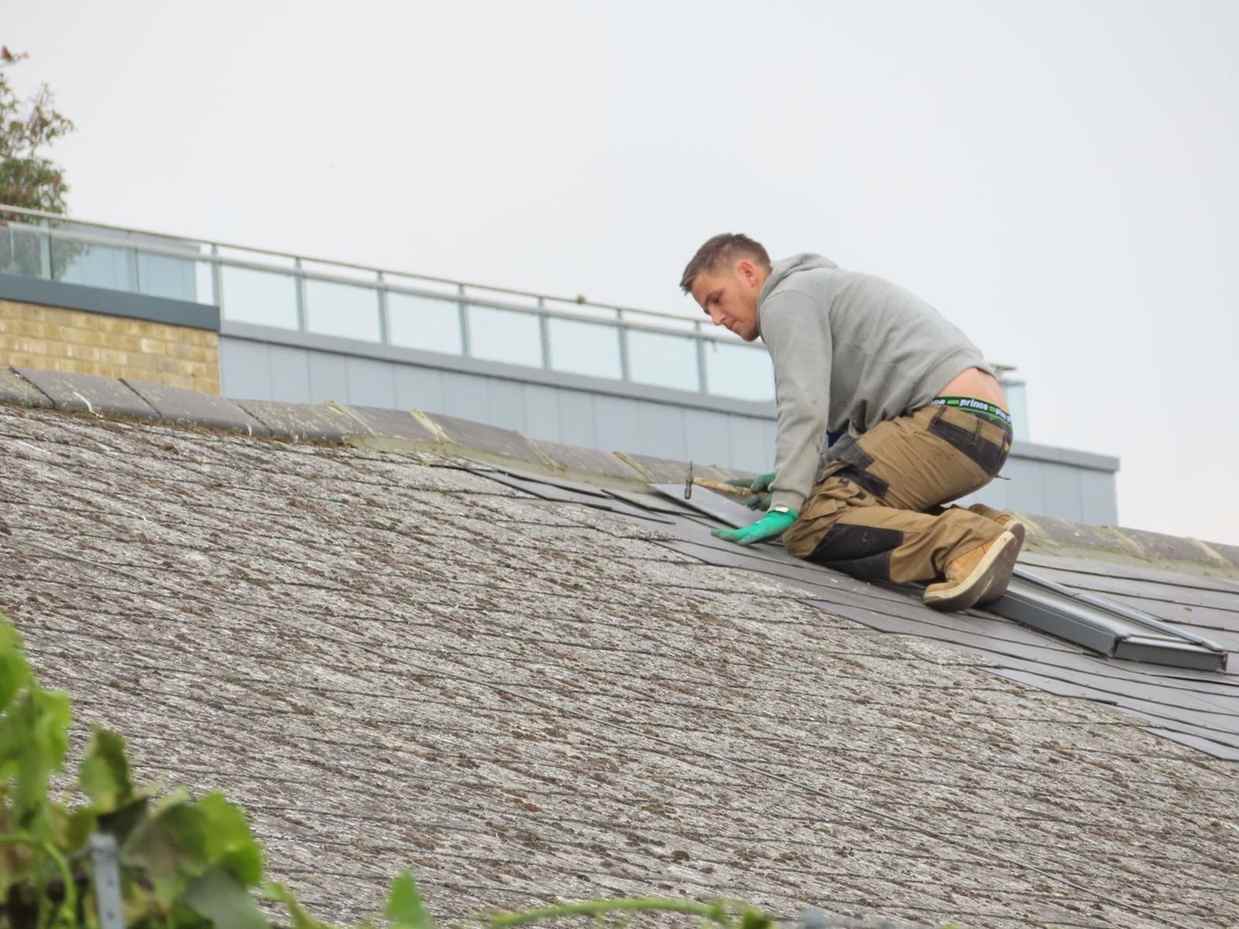
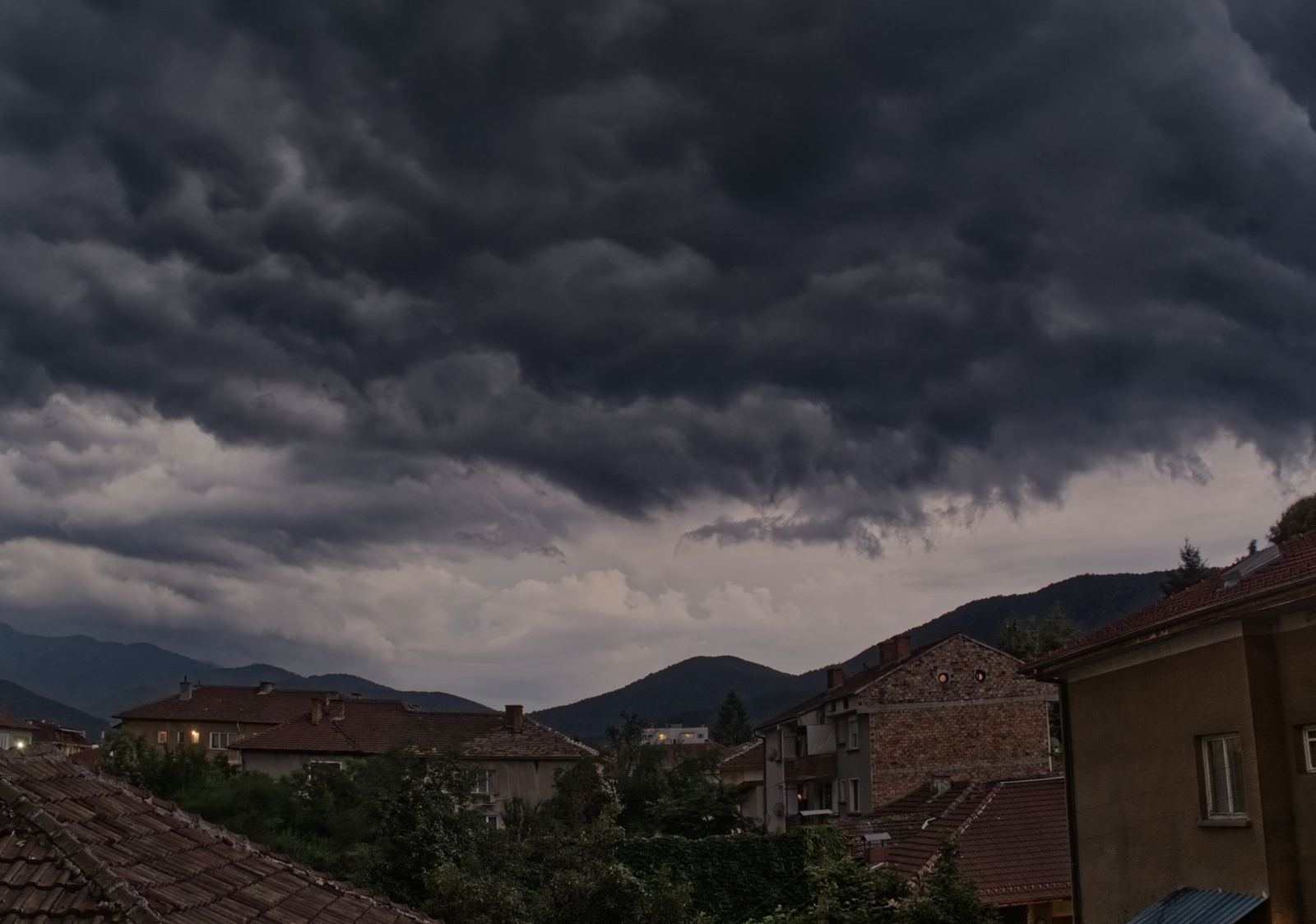
Rain is the other half of that dryness. Annual rain is 275 mm, annual total precipitation is 300 mm, and the moisture index is 0.28. The one-day rain at 1/50 is 48 mm, and 15-minute rain is 10 mm. Coverings dry out for months, then take a burst. Granule loss on the west slope is a sun story. A sudden leak at a valley can be that burst finding a crack the sun opened.
Leave the city row and the bars move. Okanagan Falls, Kaleden and Skaha Lake match the city's 1.3 kPa of ground snow up to 600 m and rise to 2.0 kPa above it, with hourly wind of 0.40 and 0.59 kPa. Naramata, Summerland North and Faulder start at 2.0 kPa up to 600 m, step to 2.2 kPa between 600 and 800 m, and reach 2.8 kPa over 800 m. The diagram is those rows. It is not a street map.
The table's own note matters: where an area or elevation is not listed, the building official sets the snow load. Summerland the municipality is larger than the "Summerland North" label. A lot the table does not name is not allowed to borrow the nearest bar. Frost depth on these rows is 600 mm, which is a foundation figure, not a reason to add weight to a roof.
No coating, colour, or vent brand is recommended here. If the sunny slope is brittle, the next step is a roofer on that slope, through the repair or replacement conversation. Degree-days and design temperatures explain the climate. They do not date your shingles.