

Village houses
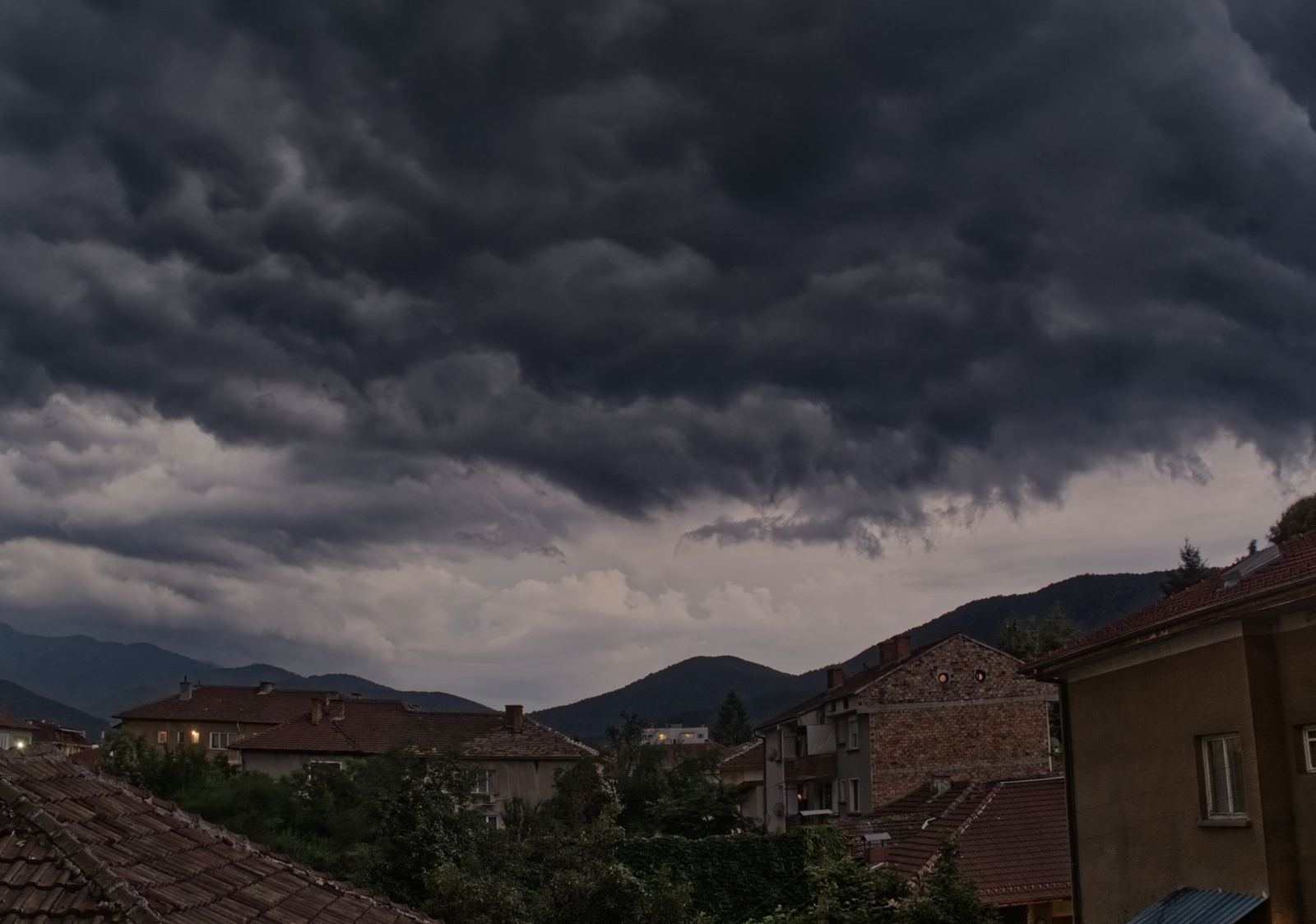
The older streets have detached houses with asphalt roofs, low additions, and brick chimneys. A closed-in porch is common. The metal where that porch roof tucks under the siding fails before the main shingles do. If the ceiling mark is in the porch room, start there.
Newer houses on the edges of the village have cleaner, darker roofs. A leak in those is usually one pipe boot or one skylight, while the field of shingles still looks even. Say the roof looks new if it does. That keeps the visit aimed at the opening.
A shop or a garage with its own roof is a separate surface. If the drip is in the garage and the house is dry, say garage. Metal on a shed and shingles on the house should both be named.
Wind off the lake and the river
The open end of Skaha funnels wind at the houses that face it. Edges lift. After a blow, check the grass for tabs. Houses a couple of streets back sit quieter and grow moss on the north face. Say which kind of lot you have.
The river corridor is cooler and a bit damper than a bench lot in the sun. Shade plus irrigation spray from a lawn can keep a lower slope wet. If a sprinkler hits the wall or the shingles, mention it. That water is not a storm leak, and it rots the same wood.
Hot summers fade the south tabs. You will see the grit in the gutter and a colour difference from the street. Winter snow is occasional. If it slides off a metal porch onto the walk to the door, say walk.
Before the roofer comes
Walk once around the house. Note a lower roof against a wall, a chimney, and any tree touching the shingles. You do not have to cut the tree first. Just say it touches. Branches keep dropping debris into the valley.
Inside, the shape of the stain matters. A circle, a streak by the masonry, or a line at an outside wall are three different openings. A damp smell with no ceiling mark may be a crawlspace, not the roof. Say if the ceiling itself is marked.
Highway dust gathers on the roofs that front the main road. Side-street houses collect needles instead. Mention which one matches, because a wash of grit and a mat of needles point at different slopes.
Call with Okanagan Falls, the street, the age of the house in rough terms, and the room that is wet. If the bad side looks at the lake, say that. If it looks at the neighbour's trees, say that instead.
This part of town
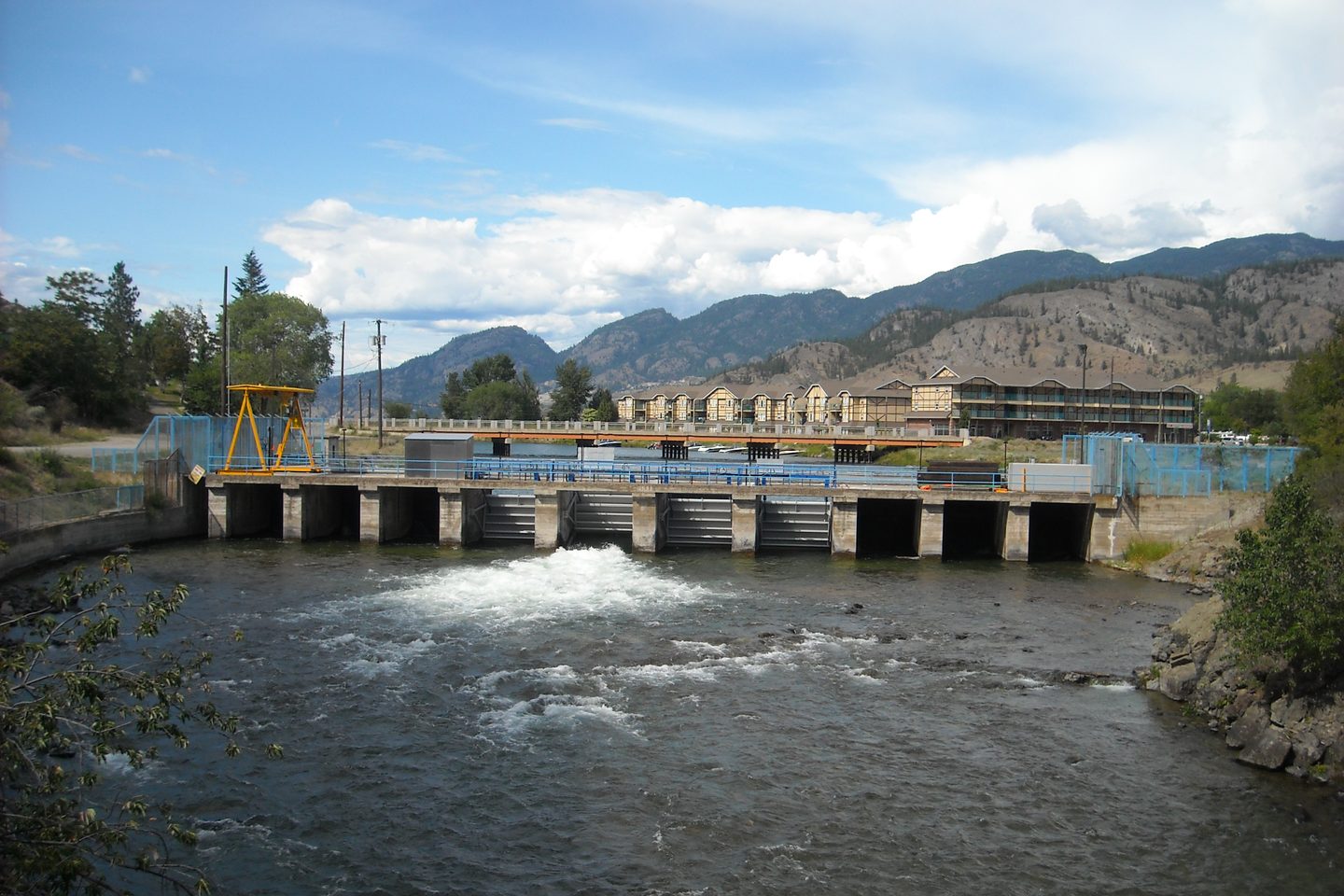
The falls and the beach are the landmarks. The roofs are on the streets behind them. A house that fronts the river path stays cooler and collects more leaves. A house up the hill toward the highway takes more sun and more grit. Say which street you actually live on.
Skaha Beach wind reaches the first row of houses and then drops. If you cannot hear the beach from the yard, do not describe a wind-lifted ridge unless you have found pieces in the grass. Most inland leaks here are a chimney or a porch that has been recaulked until the caulk cracked.
Garages along the back lanes leak into themselves. The house can be dry. If you are standing under a drip next to the car, say the garage roof, and say whether it is shingles or a low, almost flat piece over a single bay.
The highway bridge and the beach road confuse directions. Give the street you turn onto, not just the village. If the house number is hard to see from the road, say what the driveway looks like. A cedar hedge or a white garage door is enough.